
5 Tenancy Agreement Mistakes
5 Tenancy Agreement Mistakes That Cost Singapore Landlords Thousands
(And How I Fixed Them After 28 Years in Property)
Can I ask you a question?
If you're renting out your property in Singapore, how confident are you that your tenancy agreement will actually protect you if something goes wrong?

Most landlords would say, "Of course. My agent prepared it for me." And on paper, that sounds reassuring. But here's the truth I've learned after 27 years in this industry: a tenancy agreement is never really tested when everything is going smoothly. It's tested the moment something breaks down — literally or figuratively.
The air-conditioner stops cooling. Rent doesn't arrive on the 1st of the month. Cockroaches start appearing in the kitchen. A tenant's circumstances suddenly change halfway through the lease. These are the moments that reveal whether your tenancy agreement was written to genuinely protect you, or whether it was just a template pulled off a shelf.
I'm Roza Sure Bagus, and I've been in the property industry since 1998. Over nearly three decades, I've handled more rental disputes than I can count, and every difficult case has taught me the same lesson: a standard, generic tenancy agreement is often not enough.
I don't customise my tenancy agreements because I enjoy writing legal clauses. I customise them because every single clause I add was writtenaftersomebody had a real problem. Today, I want to walk you through five of the most common areas where tenancy disputes happen in Singapore — and how the right wording, prepared in advance, can save you from months of stress.
1. Air-Conditioning: The Number One Dispute
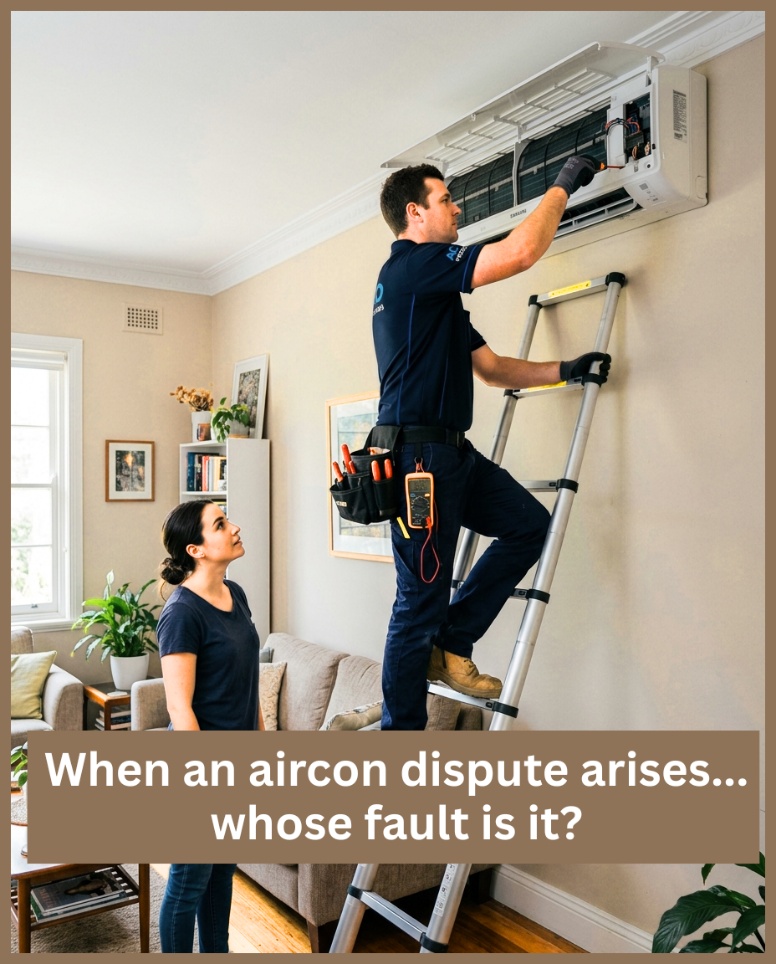
If there's one topic that comes up again and again in rental disputes, it's air-conditioning. I've lost count of how many times I've heard some version of this exact conversation play out between a landlord and tenant:
The tenant insists, "I didn't spoil it." The landlord counters, "You never serviced it." And then the technician steps in with the final word: "The compressor has failed."
So who's actually responsible for the repair bill? Surprisingly, many standard tenancy agreements don't answer this clearly. Is the tenant responsible for regular servicing? Is the landlord responsible for wear and tear versus negligence? Without a clear clause spelling out servicing frequency, responsibility for repairs, and what counts as "damage" versus "natural breakdown," both parties are left arguing over an air-conditioner instead of resolving it. This is exactly why I rewrote my own air-conditioning clause after handling enough of these real disputes myself.
2. Late Rent: It's Not Just About the Money
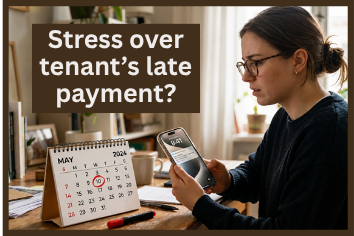
Late rental payment isn't only a cash flow issue — it's about setting expectations early. If one payment comes in late and nothing happens as a result, the next payment usually becomes late too. And often, it doesn't stop there. What starts as an on-time payment can slowly drift: three days late, then seven days late, and eventually, it becomes a pattern where rent is late every single month.
This is why my tenancy agreements clearly spell out what happens the moment rent becomes overdue — including grace periods, late payment charges, and the escalation process. When tenants know exactly what the consequences are from day one, late payments become far less common.
3. Pests: A Bigger Dispute Than You'd Expect
You'd be surprised how often pests — ants, cockroaches, and similar issues — create disputes between landlords and tenants. The conversation usually goes like this: the landlord says, "The tenant caused it," while the tenant insists, "It was already there before I moved in."
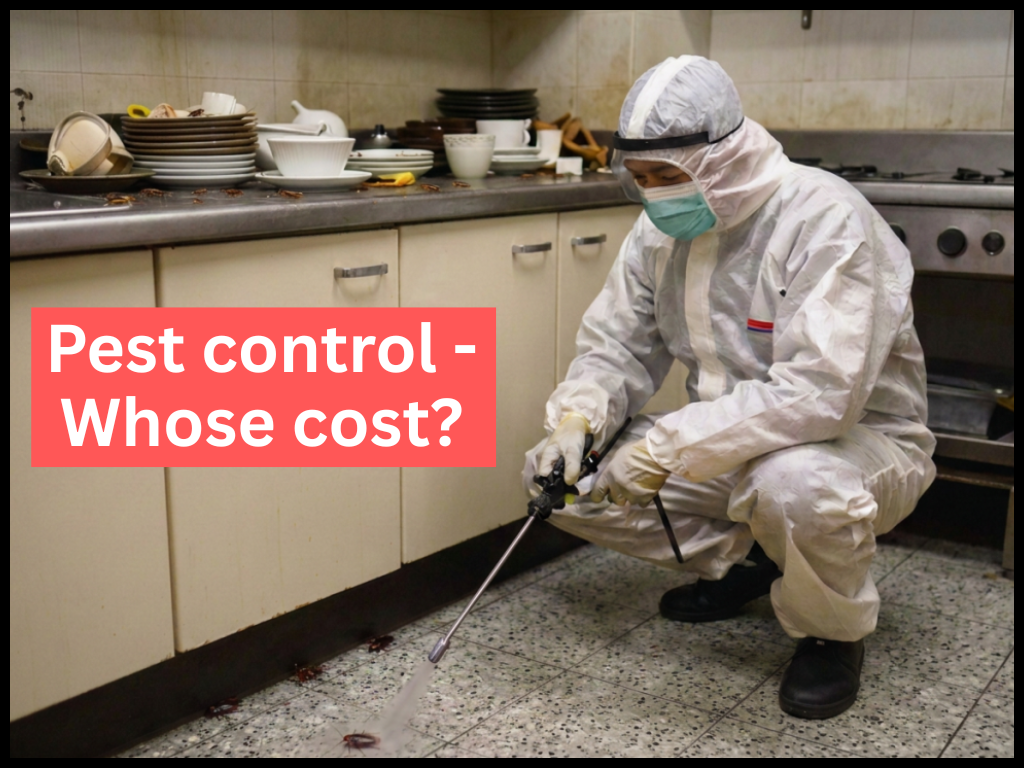
So who pays for pest control? Without proper wording in the agreement covering pre-existing conditions, tenant hygiene responsibilities, and when professional pest control should be engaged, both sides end up arguing instead of solving the actual problem. A clear pest clause, agreed upon before move-in, removes this entire grey area.
4. Security Deposit: A Smarter, More Flexible Approach
Security deposits are another classic source of misunderstanding — particularly around how much should be collected and when (or if) it should be reduced or refunded.
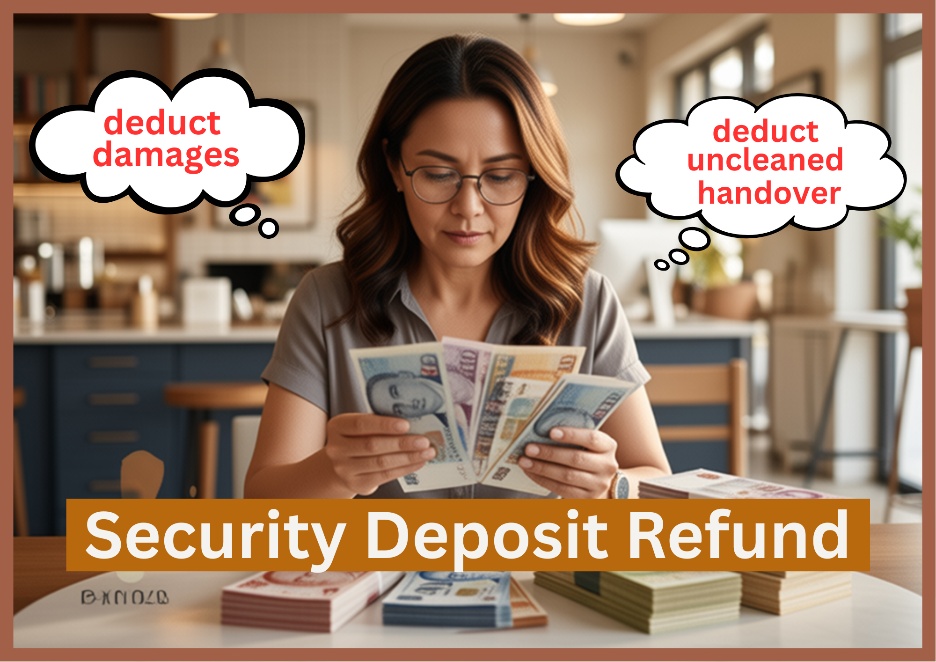
In one case I handled recently, the landlord initially collected a two-month security deposit. After a successful first year with no issues, we structured the agreement so the deposit reduced to one month for the remaining lease term. But instead of returning that cash difference immediately, we spread the reduction across the tenant's remaining monthly rental payments.
This protected both parties: the landlord retained enough buffer, and the tenant benefited from lower monthly outgoings without a lump-sum refund process that can sometimes create friction. It's a small structural change, but it made a real difference to how smoothly that tenancy continued.
5. Deed of Novation: When Circumstances Change Mid-Lease
Here's a real case that illustrates why experience matters more than a standard template. A tenant's employment status changed partway through their lease, and continuing the original tenancy was no longer straightforward. Instead of cancelling the entire agreement — which would have meant unnecessary vacancy for the landlord and a stressful scramble for the tenant — we prepared a Deed of Novation.

This legal instrument allowed the tenancy to transfer smoothly to an incoming tenant while keeping the original agreement's terms largely intact. The landlord avoided an empty unit and lost rental income, and the transition happened with minimal disruption. Most standard tenancy templates don't even account for this scenario, which is exactly why relying on experience — not just paperwork — matters so much.
Beyond These Five: Other Clauses Worth Knowing About
Over the years, I've added many other protective clauses into my tenancy agreements, each one born from a real case rather than pure theory. These include:
Utility bill responsibilities and apportionment
Clauses covering illegal activities on the premises
Air-conditioning servicing schedules
Bed bug prevention and liability
Professional cleaning requirements upon handover
E-stamping requirements and timelines
Debt collection notice procedures
Early termination conditions
Emergency repair protocols
Deposit refund timelines and conditions
Every one of these clauses exists because a real landlord or tenant, somewhere along the way, ran into a real problem that a generic agreement simply didn't address.
The Bottom Line: Don't Just Ask If You Have an Agreement — Ask If It's the Right One

No landlord goes into a rental expecting problems. But the best landlords — the ones who avoid months of stress, unnecessary legal costs, and damaged relationships with their tenants — are the ones who prepare for problems before they happen.
That's exactly what a properly customised tenancy agreement is meant to do. It's not about expecting the worst; it's about being ready for it, so that if a dispute does arise, both parties already know exactly where they stand.
So if you're planning to rent out your property in Singapore, don't just ask yourself whether you have a tenancy agreement. Ask yourself whether it's therighttenancy agreement — one shaped by real experience, not just a downloaded template.
I'm Roza Sure Bagus, your Property Strategist since 1998. If you'd like to have a conversation about your rental property and how to protect yourself as a landlord, feel free to reach out — I'm always happy to help.
This article is based on Episode 2 of my video series, "Property Conversations with Roza Bagus." Watch the full video and follow along for more real case insights on property, tenancy, and everything in between.


